Improving well-being at work: strategies to alleviate the arduous nature of tasks across occupations
Improving well-being at work is essential, as the arduousness of tasks can have a significant impact on the health and well-being of workers across various occupations. However, effective strategies exist to alleviate this hardship and improve working conditions.
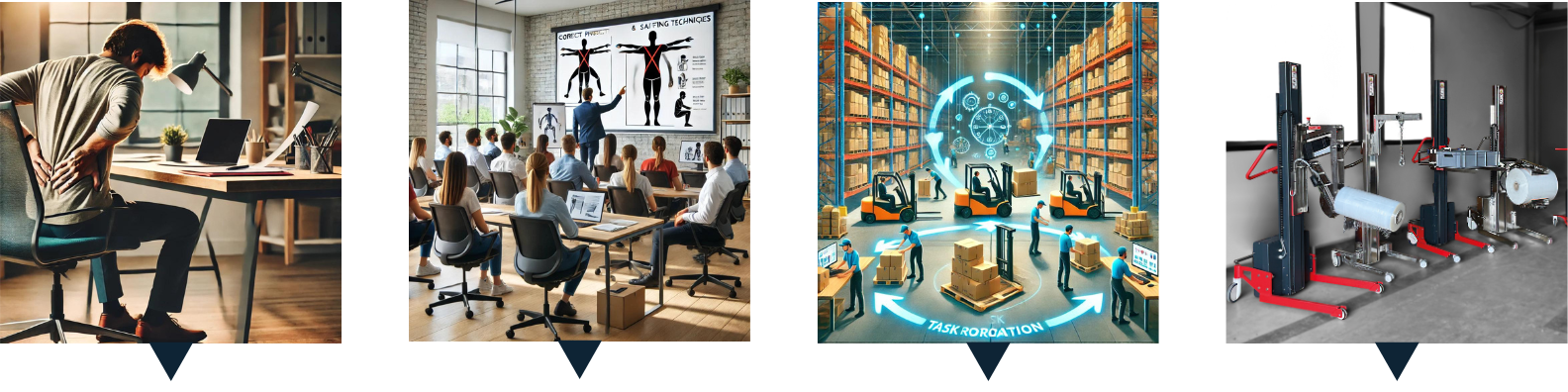
Improving well-being at work is essential, as the arduousness of tasks can have a significant impact on the health and well-being of workers across various occupations. However, effective strategies exist to alleviate this hardship and improve working conditions.
Designing ergonomic workstations
One of the first steps in alleviating the drudgery of tasks is to design ergonomic workstations. This involves adapting furniture, tools and equipment to the needs of workers in order to reduce physical strain and the risk of injury. A well-designed workstation can not only reduce back pain, muscular tension and posture-related disorders, but also promote better concentration and greater efficiency in daily tasks.
Promoting training and awareness
Another approach to alleviating task drudgery is to provide workers with adequate ergonomic training. This training should focus on good ergonomic practices and safe working techniques. By raising awareness of work-related risks, employees better understand their exposure. They also learn appropriate methods to prevent injuries. As a result, companies can reduce incidents. They can also improve health and well-being at work. By offering ongoing training programmes, companies support continuous learning. Employees can develop new skills and update their knowledge of safety risks related to their activity. They can cover a wide range of subjects, from specific technical skills to professional development. Awareness training helps to prevent incidents and strengthen cohesion. By encouraging training and awareness-raising, companies invest in their employees’ potential while creating conditions conducive to professional fulfilment.
Encouraging job rotation
Job rotation is an effective strategy for alleviating the drudgery of tasks by allowing workers to diversify their activities. By alternating between different tasks, it is possible to reduce the muscular and mental fatigue associated with repetitive activities, while offering employees greater variety in their daily work.
Opting for ergonomic, customised handling solutions
Opting for ergonomic, customised handling solutions improves worker safety, health, and comfort. These solutions are suitable for a wide range of industrial environments. They take into account the load to be handled. They also consider distances to be covered and working postures. This approach helps minimise physical effort and unnecessary strain. It reduces the risk of injury over time. By investing in ergonomic equipment, companies show their commitment to employee well-being. They also increase overall productivity. Ultimately, choosing customised ergonomic handling solutions creates a safer working environment. It also supports healthier and more efficient operations for everyone involved. Discover our tools.
Improving well-being at work is a major challenge in many trades, as task arduousness can significantly affect employees. However, approaches such as ergonomic workstation design and the adoption of handling solutions help improve working conditions and employee well-being. By investing in these strategies, companies can reduce the risk of injury. They can also increase worker satisfaction and overall productivity.
Our ergonomic handling trolleys support improving well-being at work by reducing physical strain and optimizing daily handling tasks.
👉 https://www.reglift.com/